
Hearing Evaluation and Intervention
Hearing Testing (PTA)
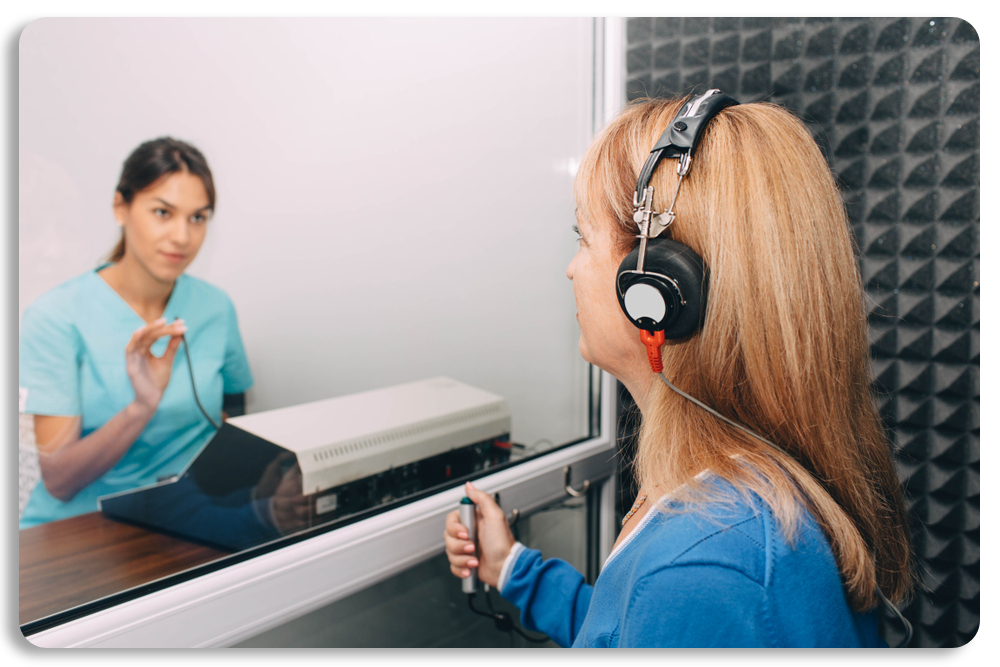
In an audiological evaluaation Pure tone audiometry (PTA) is an important, simple and a basic test. This test is using to identify the hearing thresholds of an individual, it enable degree, type and configuration of hearing loss. It is based on the behavioural response of an individual. Therefore this test is only used on adults and children old enough to cooperate with the test procedure.
Immittance Audiometry (IA)
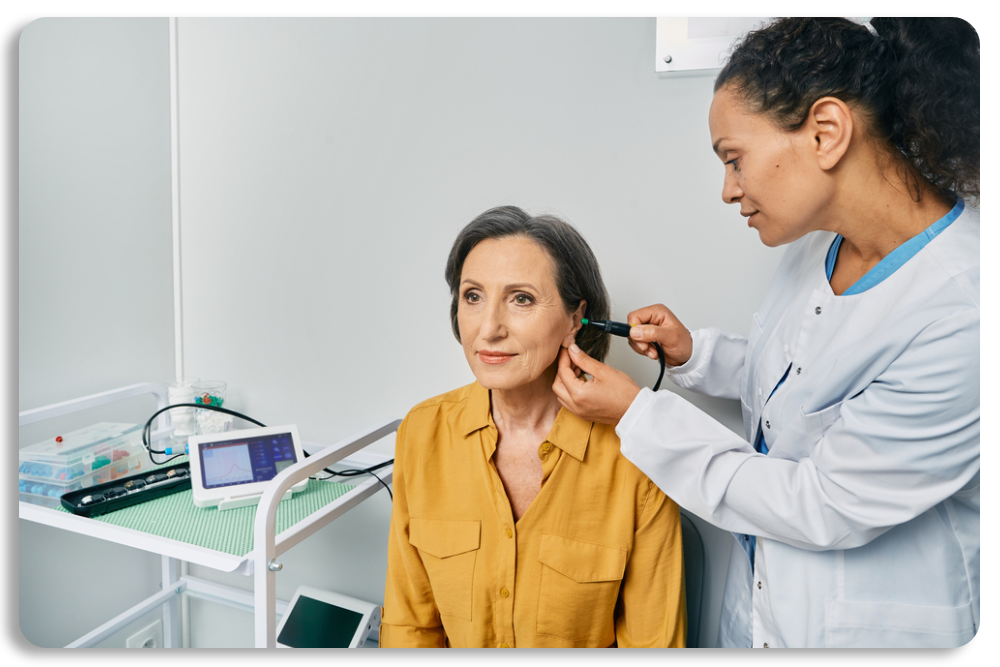
Tympanometry is an objective test of middle-ear function. It is not a hearing test. It is valuable in evaluating middle-ear pathologies and it permits a distinction between sensorineural and conductive hearing loss.
BERA / ABR
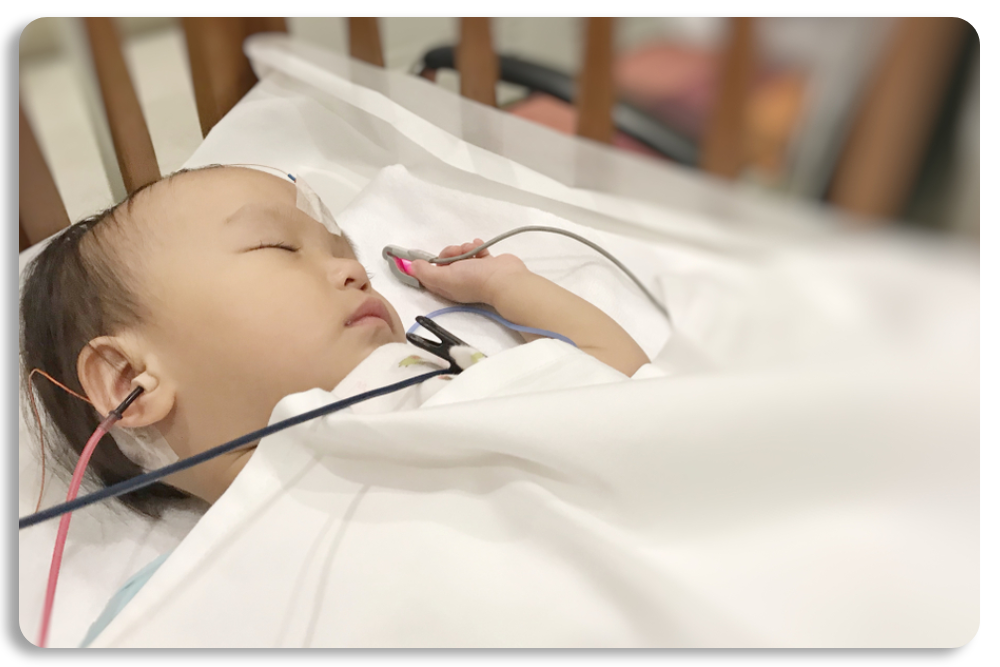
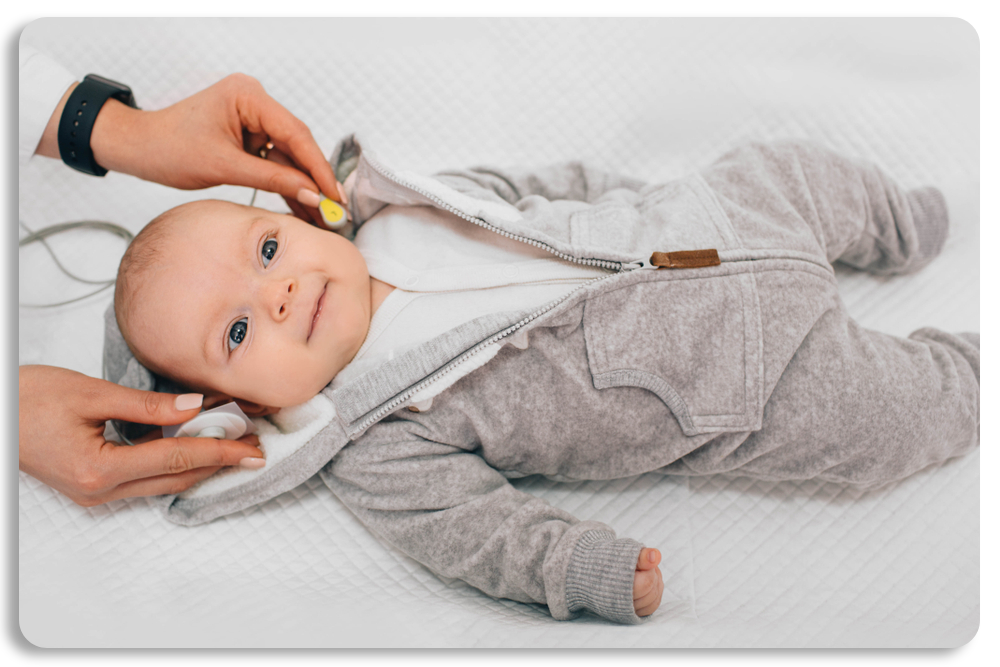
BERA( Brain Stem Evoked Response Audiometry) is an objective electrophysiological test to identify the hearing loss and site of lesion. This test does not require the participation of the patient, All you have to do is rest quietly or sleep during the test, hence it is a more accurate and useful test in children’s.
It is a useful tool for early identification. This test is carried out by placing electrodes on different positions and the electrodes will record the neural activities in responds to the sounds you hear through headphones.
OTO Acoustic Emission (OAE)
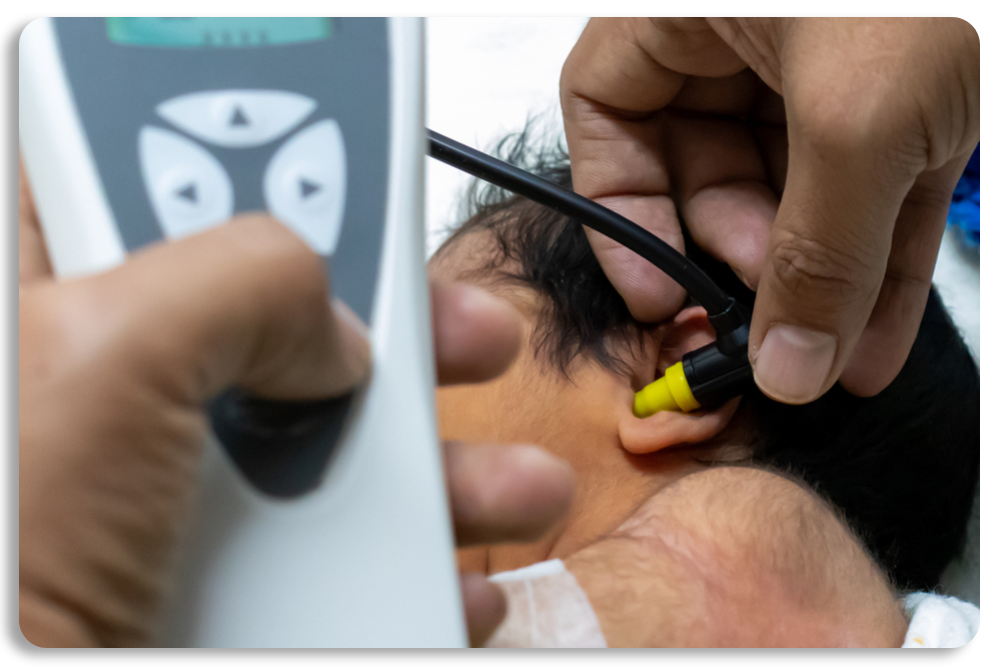
OAE test is Used to find out how well inner ear or cochlea works Hair cells in the cochlea responds to sounds by vibrating, these vibration produces low intensity sounds that back into middle ear. These soft sounds are called Oto Acoustic Emissions. If the hearing loss is greater than 25-30 dB HL, OAEs will not produce.
New Born Hearing Screening
Hearing screenings for newborns and infants are simple and painless. Your baby rests or sleeps during the test. The two common screening methods for babies are otoacoustic emissions (OAEs) and auditory brainstem response (ABR).
There are 5-6 infants who are hard of hearing out of 1000 neonates. They will not be identified till they attain 2 or more years of age. This late detection means that crucial years of stimulating the hearing centers of the brain will have been lost. The maturation and development of the hearing mechanism may be affected. Speech and language development will not begin.
Social and emotional development may be retarded. And future success in school could be threatened. Additionally, some of these children may incorrectly be branded as difficult or intellectually inferior, simply because they have an undetected hearing impairment. Universal hearing screening of new-borns is the only way to decrease the burden of deafness in our society.
Hearing Aid Trial & Fitting
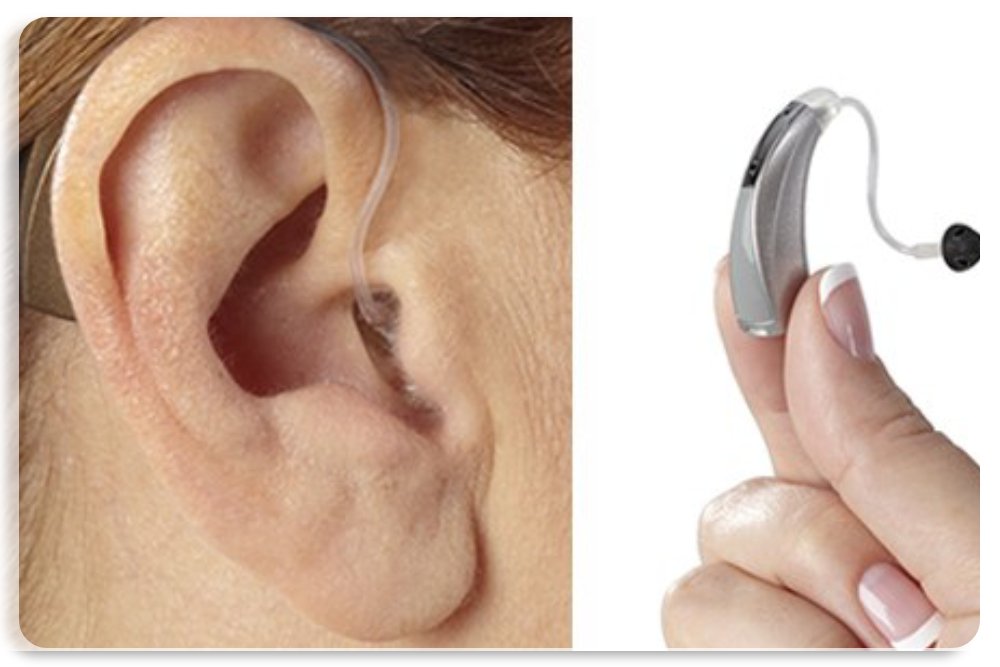
Following a hearing test and determination of appropriate hearing aids with an audiologist, a hearing aid evaluation appointment is necessary. This appointment is the day you are fit with your new hearing aids. We understand that the day you receive hearing aids many emotions may arise.
We take our time in order to make your experience comfortable. We want to ensure that as you leave, all of your questions have been answered, and that you feel comfortable with the use and care of your new hearing instruments.
Ear Moulds (Soft & Hard)
Sudden or prolonged exposure to noise can cause damage to your hearing and is one of the leading causes of hearing loss. Hearing protection is extremely important for anyone who is regularly in a high-noise environment, including target shooters, motorcyclists, pilots, musicians, construction workers and factory workers. Though over-the-counter earplugs offer some protection, custom earmolds and earplugs offer maximum protection as well as a comfortable fit that is designed specifically for your ears.
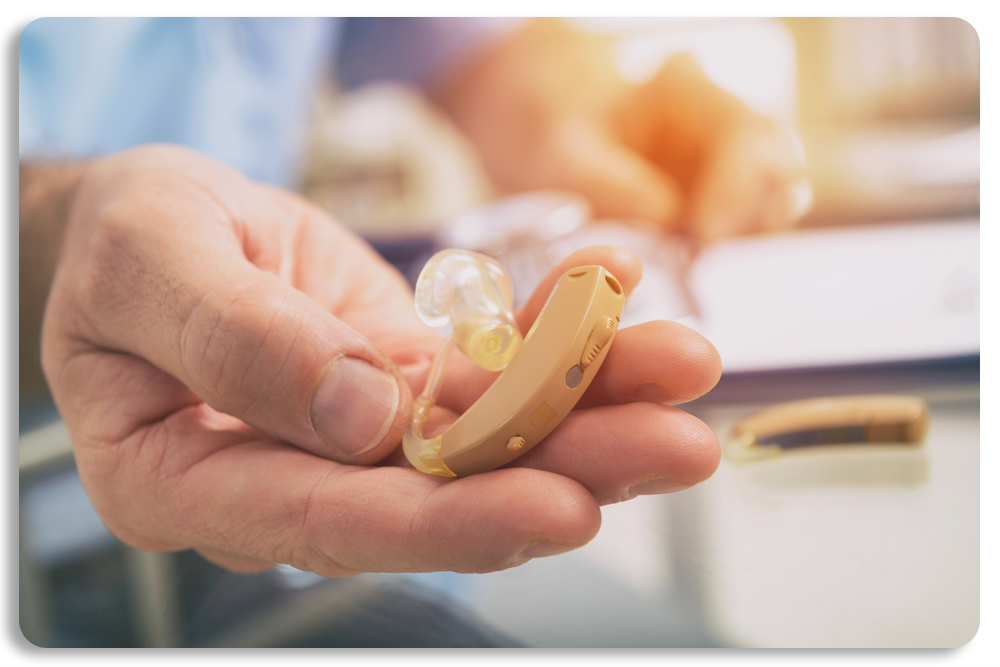
Earmolds come in a wide variety of sizes, colors and types. Some earmolds are solid, and some are soft or spongy. The most popular styles are full-shell and half-shell. The type of earmold your hearing professional recommends will depend on your individual needs. Earmolds are also popular for fitting over certain earbud headphones, under pilot boom-mic headsets and other specialty uses.
Hearing Aid Accessories
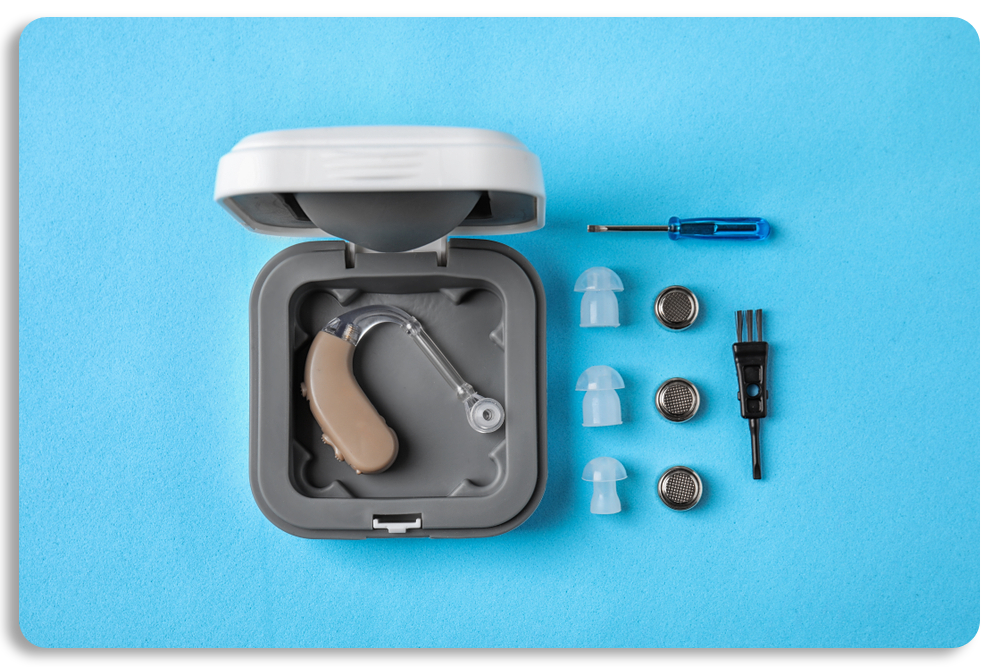
There is a variety of hearing aid accessories available. Some, such as batteries and cleaning tools, are essential, and these usually come as part of the package when a person purchases a hearing aid. Individuals can also source them from an audiologist. Other accessories, such as transmitters and receivers, streaming devices, earwax filters, and charging stations, are optional, but some people may find them useful.
Cochlear Implant Rehabilitation
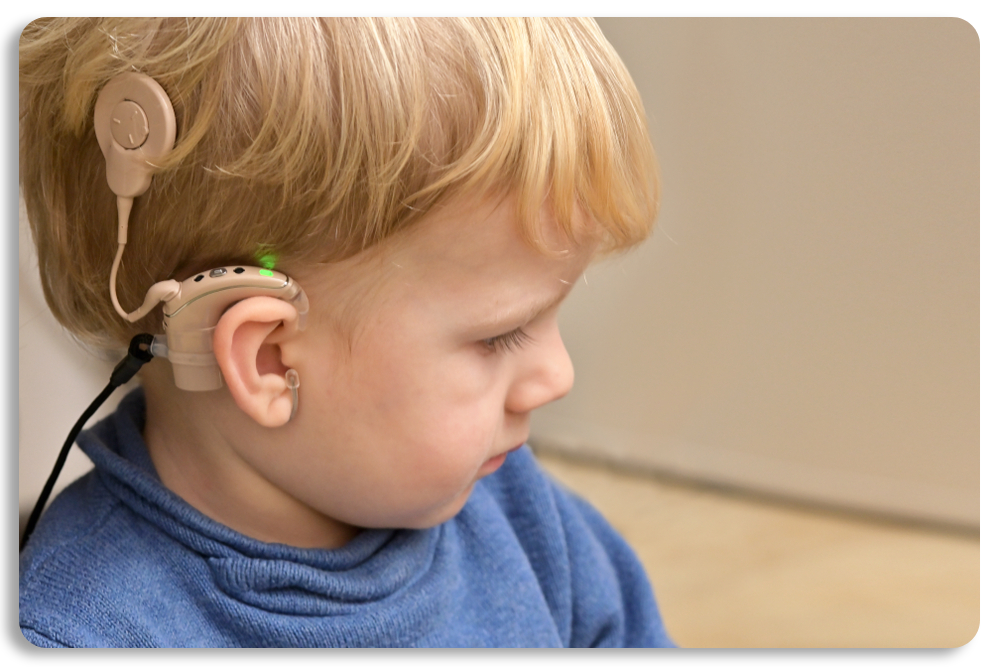
Cochlear Implant Rehabilitation (CIR) is currently the only medical treatment available to partially restore hearing to patients with profound-to-severe hearing loss. As implants are surgically placed under the skin behind the ear where they bypass the normal sound-conducting mechanism, convert sound signals into electrical stimulation, and directly stimulate the residual auditory nerves.
According to the time of onset, deafness is classified as prelingual and postlingual deafness, and the indications of cochlear implants vary slightly. The medical evaluation must be made before surgery, including the medical history, objective and subjective audiometry, imaging of the ear, as well as the genetic diagnostic.

Tinnitus Management
Tinnitus is the term used to describe the condition of perceiving a ringing, buzzing or whooshing noise in the absence of an external sound source. This is typically only experienced by the person with tinnitus and has a variety of different causes.
Tinnitus can be caused by many things, and is usually a symptom of an underlying condition. The treatment for your particular tinnitus will depend on the condition that is causing it, the severity, any accompanying issues such as hearing loss, and the impact the tinnitus has on daily activities.