
Speech Assessment & Treatment
SPEECH THERAPY
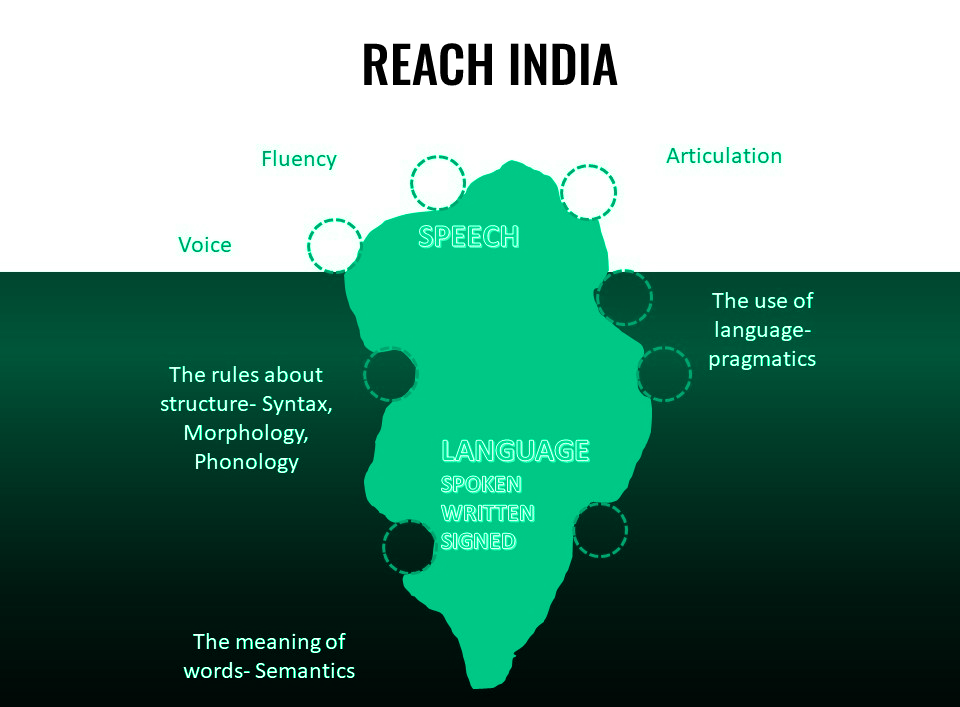
What Is Speech, Language and Communication?
Speech and Language are basic for human existence, and their loss is often catastrophic. Speech and Language can sometimes be confused and their definitions are often confused as the same thing.However, there are many differences between Speech and Lan
guage .Many patients/parents ask aren’t speech and language the same thing? The answer is that they both fall under the umbrella of communication, but both language and speech are different communication tools.
What Is Language?
Language is the method humans use to communicate with each other, it can be spoken, written, gestural or signed, and we use them to share ideas , thoughts and get what we want. All of these modes can be broken down to sentences, words, syllables and ultimately the smallest units-sounds.Sounds combined make up speech and speech refers only to the spoken mode of communication. Language is one of the key ways we differ from other primates.
What is Speech ?
Speech is the expression of thoughts and feelings by humans through articulated sound units and these sound units are combined so that they make up words and sentences.Speech production involves the co-ordination of our cranial nerves, breathing , vocal cords, vocal tract, nasal tract, soft palates, teeth, jaw, tongue , lips, facial and neck muscles .Speech is how we say sounds and words.
Components of Speech :
Voice : How we use our vocal folds and breath to make sounds. Our voice can be loud or soft or high- or low-pitched. We can hurt our voice by talking too much, yelling, or coughing a lot.
Articulation : How we make speech sounds using the mouth, lips, and tongue etc (the structures in our vocal tract). For example, we need to be able to say the “c” sound to say “cat” instead of “tat.”
Fluency : The rhythm that is required so that we speak without hesitation or repetition of sounds, syllables, words or sentences.
While speech involves the physical motor ability to talk, language is a symbolic, rule governed system to convey a message composed of spoken or written words or gestures such as waving hello or good bye.
What is Communication ?
Communication is a much broader category. Communication is the sending and receiving of information and can be one-on-one or between groups of people, and can be face-to-face or through common system of symbols, signs, behavior or communication devices. Communication requires a sender, the person who initiates communication, to transfer their thoughts or encode a message. This message is sent to the receiver, a person who receives the message, and finally, the receiver must decode, or interpret the message. This sounds simple enough but is more complicated.
Speech, language and communication may differ in terms of usage, scope and importance but they also go hand in hand as these three not only play major roles in our daily lives but also contribute to the community or society at large.
Communication Chart
What is Speech Therapy ?
Speech therapy usually begins with an assessment by a certified speech and language pathologist ( SLP ) who will identify the type of communication , speech, language and swallowing disorders and the best way to treat it. Speech therapy is an intervention service designed to improve communication through verbal and/or nonverbal communication strategies. Speech therapy addresses issues in speech, language, voice and swallowing /eating. Speech therapy may be needed for speech and language disorders that develop in childhood or speech impairments in adults caused by an injury or illness, such as stroke or brain injury. These include articulation therapy, language intervention activities, and others depending on the type of of speech or language disorders. The success rate of speech therapy varies between patient to patient, severity of the disorder, onset time, and time of intervention.

There are several speech and language disorders that can be treated with speech therapy and this are as follows :
APHASIA
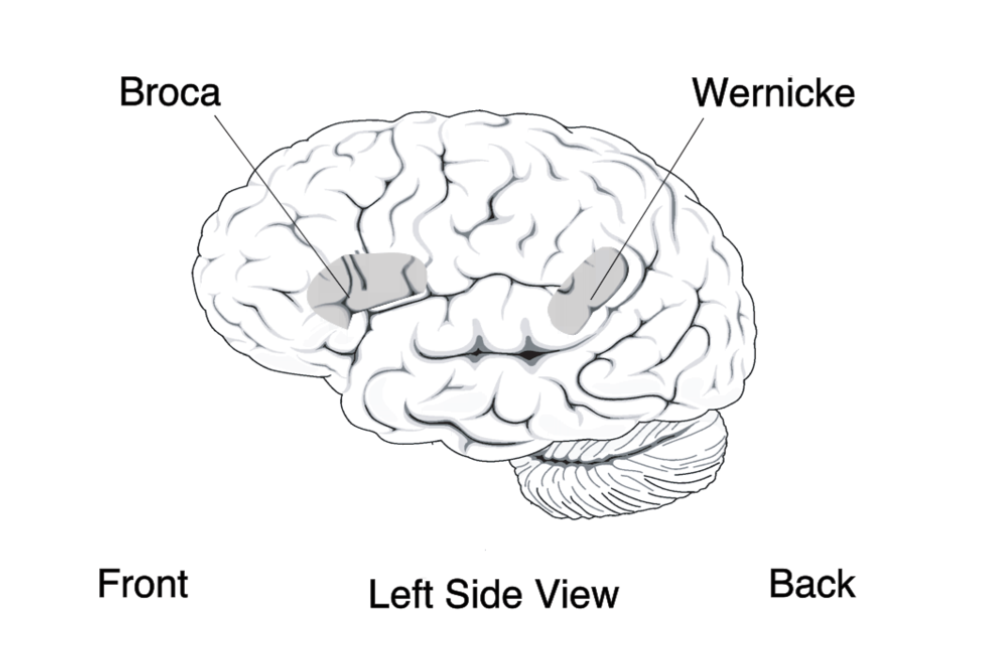
Aphasia is a language disorder that affects a person’s ability to communicate due to damage ( stroke ] to portions of the brain that are responsible for language. For most people, these areas are on the left side of the brain. Aphasia usually occurs suddenly, often following a stroke or head injury, but it may also develop slowly, as the result of a brain tumor or a progressive neurological disease. Aphasia affects a person’s ability to express and understand written and spoken language. Aphasia may co-occur with speech disorders, such as dysarthria or apraxia of speech, which also result from brain damage.
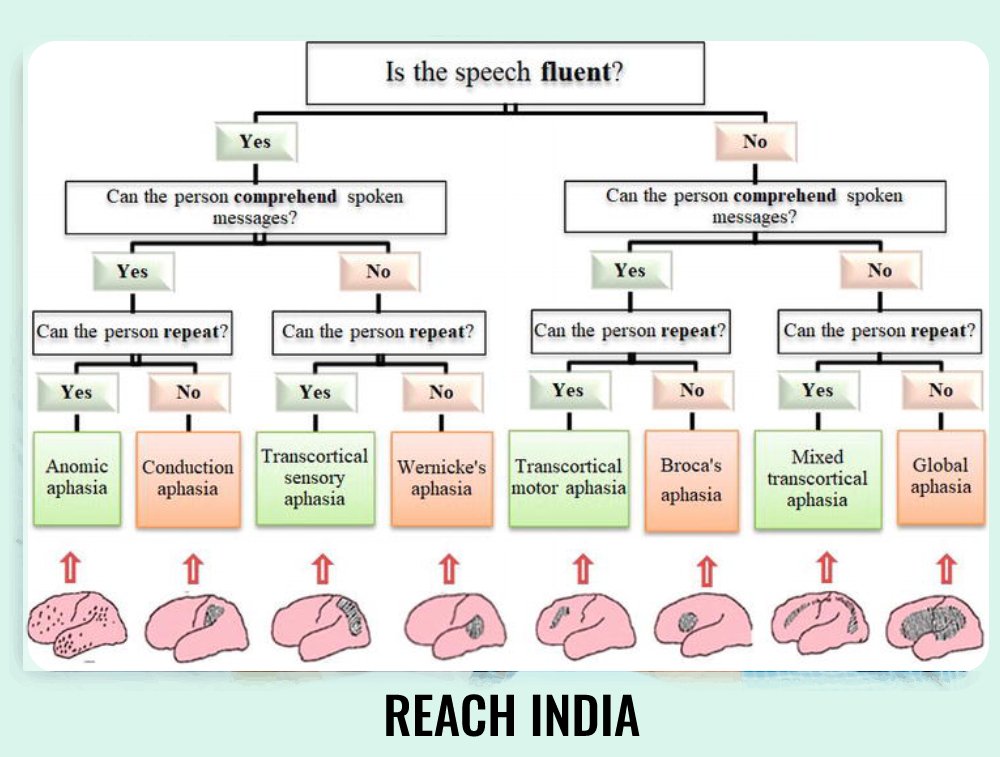
There are two broad categories of aphasia: fluent and nonfluent, and there are several types within these groups.
The most common type of nonfluent aphasia is Broca’s aphasia. People with Broca’s aphasia have damage that primarily affects the frontal lobe of the brain. They often have right-sided weakness or paralysis of the arm and leg because the frontal lobe is also important for motor movements. People with Broca’s aphasia may understand speech and know what they want to say, but they frequently speak in short phrases that are produced with great effort
Damage to the temporal lobe of the brain may result in Wernicke’s aphasia. People with Wernicke’s aphasia may speak in long, complete sentences that have no meaning, adding unnecessary words and even creating made-up words.As a result, it is often difficult to follow what the person is trying to say. People with Wernicke’s aphasia are often unaware.
There are other types of aphasia, each of which results from damage to different language areas in the brain. Some people may have difficulty repeating words and sentences even though they understand them and can speak fluently (conduction aphasia). Others may have difficulty naming objects even though they know what the object is and what it may though they understand them and can speak fluently (conduction aphasia). Others may have difficulty naming objects even though they know what the object is and what it may be used for (anomic aphasia).
APHASIA TREATMENT
The recommended treatment for aphasia is usually speech and language therapy. This treatment is carried out by a speech and language therapist (SLT). Aphasia therapy aims to improve a person’s ability to communicate by helping him or her to use remaining language abilities, restore language abilities as much as possible, and learn other ways of communicating, such as gestures, pictures, or use of electronic devices. Family involvement is often a crucial component of aphasia treatment because it enables family members to learn the best way to communicate with their loved one.
The outcome of aphasia varies significantly from person to person. The most predictive indicator of recovery is initial aphasia severity, site of lesion and size ,age, gender, education level, and other comorbidities. Aphasia treatment is individualized to address the specific areas of need identified during assessment, including specific goals identified by the person with aphasia and his or her family.
Our talented team of certified, experinced speech language pathologists provide unhurried, personalised, most advanced and evidence – based speech pathology treament and care to children and adults both in our clinic and at home.
DYSPHAGIA (SWALLOWING PROBLEM )
Swallowing is a complex process. Some 50 pairs of muscles and many nerves work to receive food into the mouth, prepare it, and move it from the mouth to the stomach.
The general definition of dysphagia is simply “difficulty in swallowing.” when someone cannot swallow at all, aphagia, or “inability to swallow anything ,” is used. Dysphagia can occur at any age, but it’s more common in older adults. Dysphagia is often noted in stroke survivors and can affect the oral and/or pharyngeal phase of swallowing. The patient may cough or choke while attempting to swallow saliva, liquids, or food. A speech-language pathologist often assesses a patient’s ability to swallow in order to determine the risk of aspiration, (food or liquid going into the lungs) which potentially may lead to a lung infection or pneumonia.
Stroke survivors are at risk for silent aspiration. Silent aspiration is when food and liquid enter into the lungs without any coughing or choking. In these patients, there are no outward signs or symptoms of a swallowing problem. A normal swallow consists of two discrete events, airways protection and bolus propulsion.
Dysphagia is simply defined as a swallowing disorder. It can occur in any of the three phases of swallowing:
1 ) Oral dysphagia( high dysphagia) — the problem is in the mouth, sometimes caused by tongue weakness , weak lip closure, inadequate tongue and buccal tension difficulty chewing food, difficulty in forming and holding the bolus or problems transporting food from the mouth:
2) Pharyngeal dysphagia — the problem is in the throat. problems in propelling the bolus through the pharynx and into the P – E segment, delayed or absent swallowing reflex, nasal and airways penetration of food , food residue in valleculae (space between the base of the tongue and epiglottis), in pyriform sinuses, delayed pharyngeal transmit time, inadequate velopharyngeal closure, reduced pharyngeal contractions, pharyngeal paralysis , reduced laryngeal movements and cricopharyngeal dysfunctions.
3) Esophageal dysphagia (low dysphagia) — A swallowing phase not under voluntary control, begins when the food arrives at the orifice of the oesophagus; food is propelled through the esophagus by peristaltic action and gravity and into the stomach. bolus entry into the esophagus results in restored breathing and depressed larynx and soft palate. In this phase the problems are in passing the food / bolus through the cricopharyngeus muscle and past the 7th cervical vertebra; backflow of food from esophagus to pharynx weak cricopharyngeus, reduced esophageal contractions.
Swallowing disorders affect quality of life in a number of ways, and leads to Aspiration, Aspiration Peumonia, dehydration, malnutrition, weight loss, airways obstruction etc. The physiology of swallowing includes the interaction of sensory and motor functions and interactions of the voluntary and involuntary aspects of swallowing.
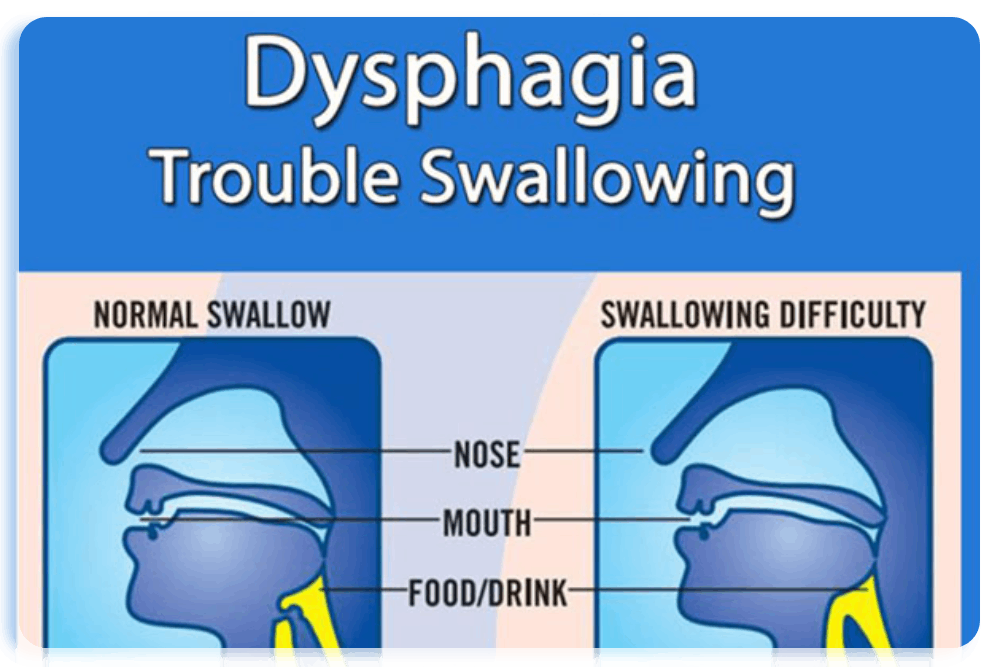
Causes of dysphagia
Dysphagia is frequently associated with stroke, degenerative disorders, neuromuscular disorders , head injury, head and neck cancer surgery , radiatio therapy, tracheoesophageal fistula. In addition, swallowing problems sometimes occur with infections, bacterial and fungal infections of the upper airways, psychogenic causes, and surgeries or disease processes that do not directly involve the oral, pharyngeal, or larngeal structures . Aging can also cause dysphagia.
Signs and symptoms associated with dysphagia can include:
- Pain while swallowing (Odynohhagia)
- Inability to swallow
- A sensation of food getting stuck in the throat or chest or behind the breastbone (sternum)
- Drooling
- Hoarseness
- Food coming back up (regurgitation)
- Frequent heartburn
- Food or stomach acid backing up into the throat
- Weight loss
- Coughing or gagging when swallowing
- Aspiration (preprandial, prandial, and postprandial)
Treatment / Swallowing Therapy
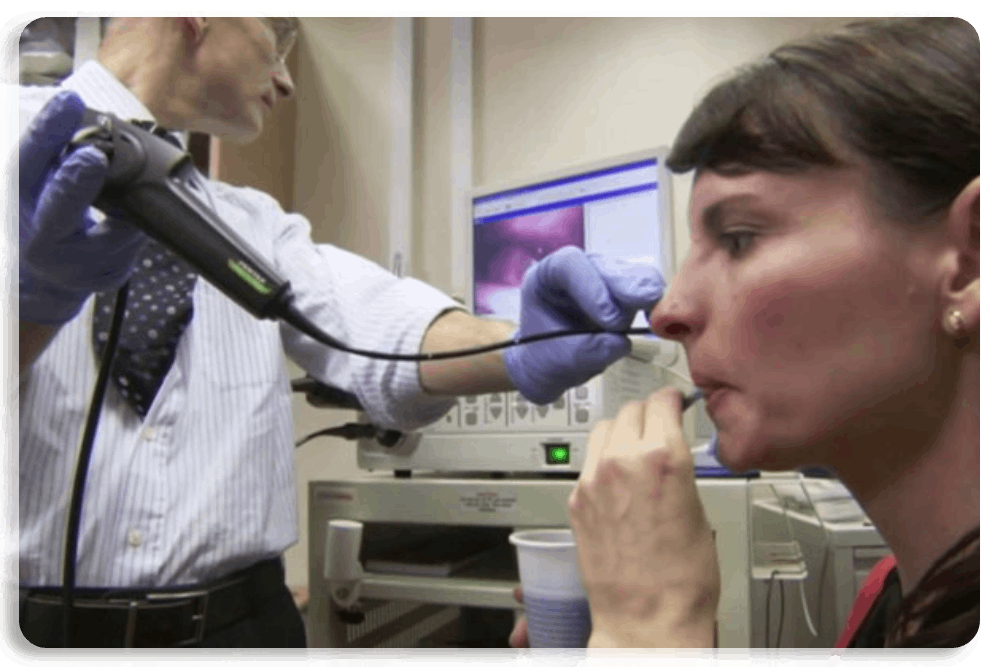
There are different treatments for various types of dysphagia. Medical doctors and speech-language pathologists who evaluate and treat swallowing disorders use a variety of tests that allow them to look at the stages of the swallowing process.Treatment depends on the type of dysphagia.
The treatment process initially focuses on swallow saftey, the prevention of aspiration through sensory awareness and proper bolus transit, and the enjoyment of food.
Treatment of swallowing disorders varies from patient to patient, and according to the underlying pathophysiology and status of the pateint. The goals of dysphagia treatment are to maintain adequate nutritional intake for the patient and to maximize airway protection.
STROKE
Stroke
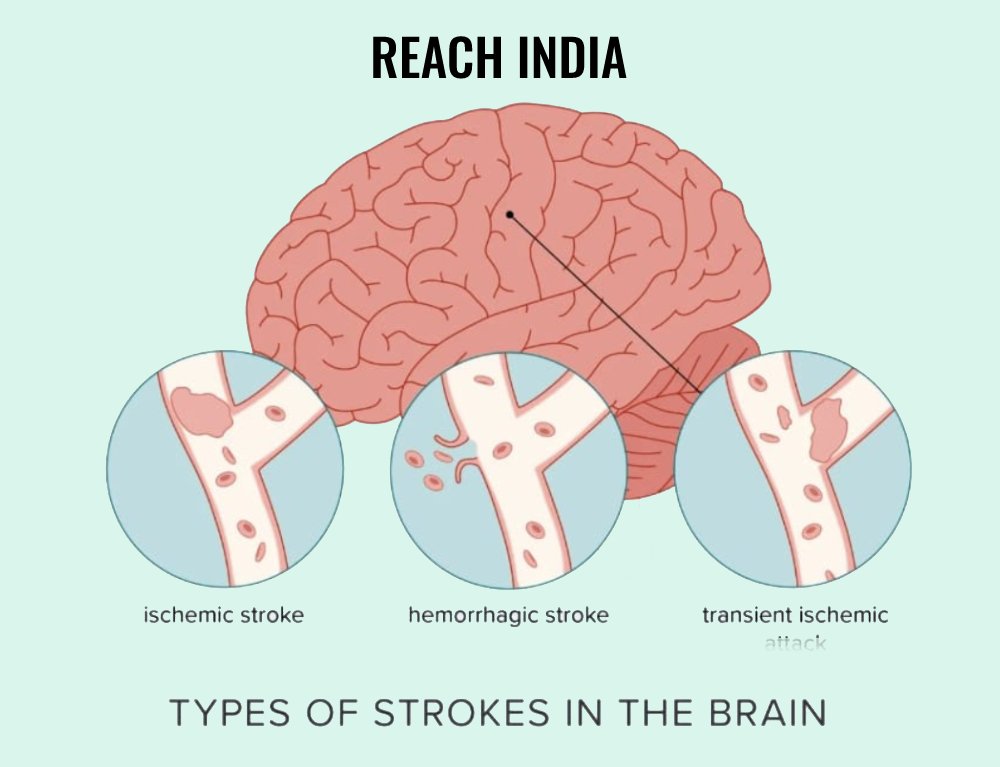
Also called: CVA, cerebrovascular accidentA stroke is a life-threatening condition that happens when part of your brain doesn’t have enough blood flow. This most commonly happens because of a blocked artery or bleeding in your brain. Without a steady supply of blood, the brain cells in that area start to die from lack of oxygen. A stroke occurs when a blood vessel that carries oxygen and nutrients to the brain is either blocked by a clot or bursts (or ruptures). When that happens, part of the brain cannot get the blood (and oxygen) it needs, so it and brain cells die.
What are the types of stroke?
Stroke can be caused either by a clot obstructing the flow of blood to the brain (called an ischemic stroke) or by a blood vessel rupturing and preventing blood flow to the brain (called a hemorrhagic stroke). A TIA (transient ischemic attack), or “mini stroke”, is caused by a temporary clot.
DYSARTHRIA
Dysarthria is a specific disorder of speech in which the muscles controlling articulation, respiration, phonation. prosody, and resonation are affected, while basic language remains intact. Dysarthrias can be caused by congenital injuries and anomalies, as well as by a variety of acquired conditions (e.g., infections, toxic processes, space-occupying neoplasms, demyelinating diseases, neuromuscular diseases, head trauma, and multiple varieties of cerebrovascular disturbances). Damage can be located in cortical areas, the cerebellum, the brain stem, or in the peripheral nervous system, which comprises the cranial and spinal nerves and their associated ganglia. The type of dysarthria caused by neurologic damage is determined by the site and extent of the lesion and when the insult occurs in the development of the patient.
Speech Therapy for Dysarthria :
Treatment for dysarthria depends on the cause, severity of symptoms, and the type of dysarthria. Nonetheless, speech therapy can help a patient regain normal speech and improve communication.
Our talented team of certified, experinced speech language pathologists provide unhurried, personalised, most advanced and evidence – based speech pathology treament and care to children and adults both in our clinic and at home.
What is apraxia of speech?
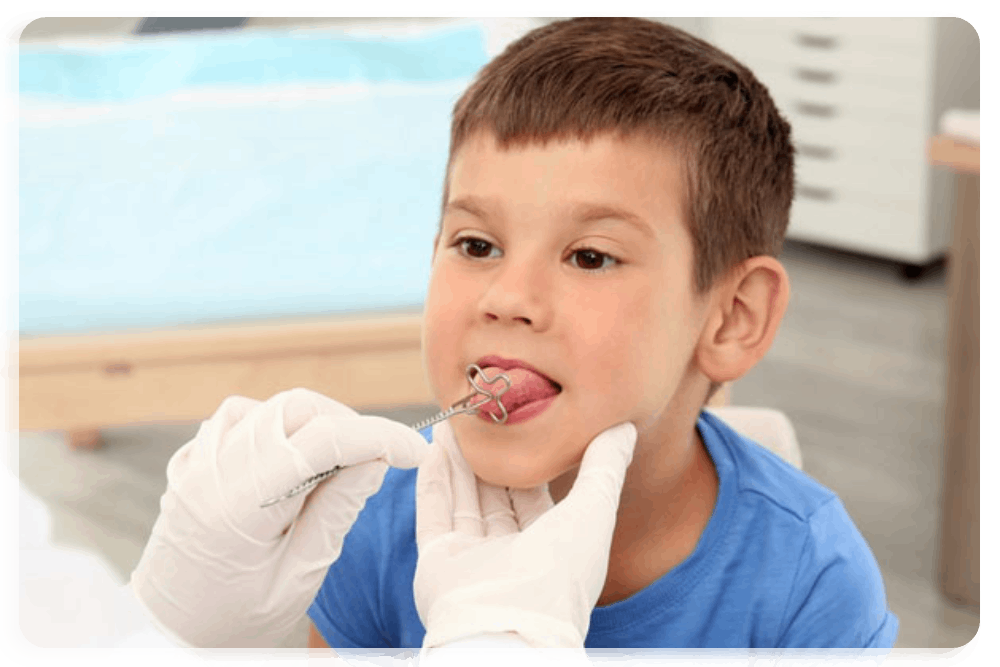
Apraxia of speech is an impaired ability to execute voluntarily the appropriate movements for articulation of speech in the absence of paralysis, weakness, or incoordination of the speech musculature.Apraxia of speech (AOS)—also known as acquired apraxia of speech, verbal apraxia, or childhood apraxia of speech (CAS) when diagnosed in children—is a motor speech disorder. AOS is a neurological disorder that affects the brain pathways involved in planning the sequence of movements involved in producing speech. In order to speak, your brain needs to send a message to your mouth. AOS affects the pathways of the brain that are involved in planning and coordinating the movements that are necessary for speech. Because of this, the messages from the brain don’t get through to the mouth correctly.The brain knows what it wants to say, but cannot properly plan and sequence the required speech sound movements. Articulatory groping is commonly observed as the patient tries to produce the words.
Common Causes of Apraxia of Speech
AOS happens when there is damage to one or some parts of the brain which control motor speech planning or programming. A common cause of AOS is stroke. Other causes include:
-
Brain tumour
-
Head injury
-
Degenerative neurological diseases
-
Treatment for Apraxia of Speech
-
Treatment depends on the cause, type, and severity of the symptoms. With speech-language therapy, a person with apraxia of speech can improve dramatically. Even though it’s difficult, patient can learn to communicate again.
Post Operative Oral Cancer Rehabilitation
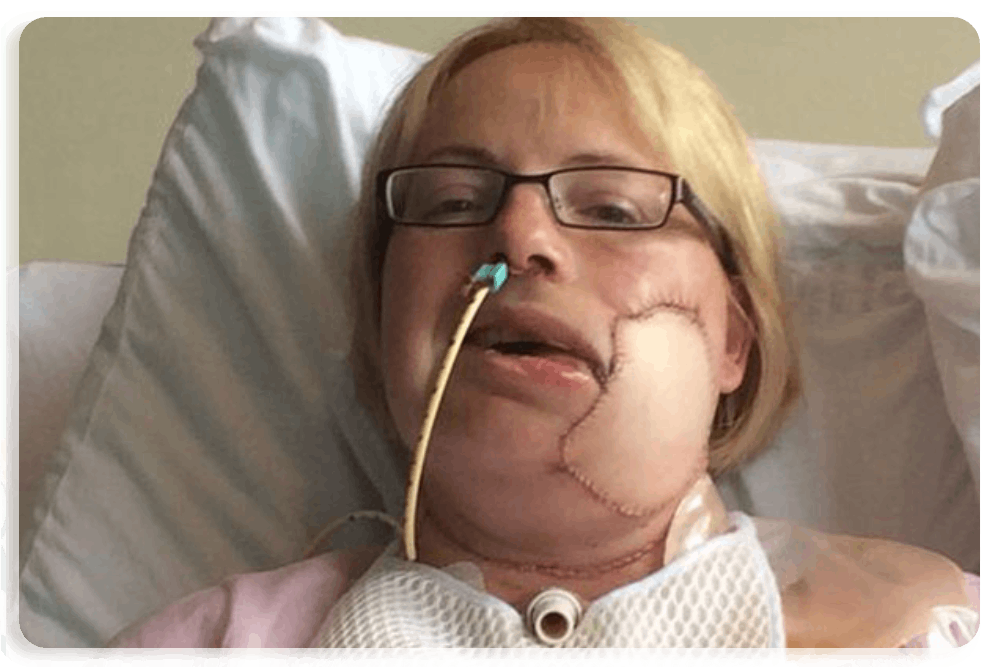
The presence of a tumor in the head and neck region often changes speech and swallowing prior to any treatment. The therapeutic modalities used to treat head and neck cancers also cause alterations in speech and swallowing, which affect the patient’s quality of life and ability to function in society.
Effective Speech and swallowing rehabilitation depends on the inclusion of a video-fluorographic assessment of the patient’s oropharyngeal swallow in the post-treatment evaluation.
For Speech and Swallowing Rehabilitation the patient should be evaluated by a speech-language pathologist to define the exact nature of changes in speech, voice, and swallowing. This type of examination is carried out while the patient swallows various types of foods in order to define the exact nature of the patient’s musculoskeletal disorders in swallowing and to examine the effectiveness of some therapeutic strategies, including an appropriate swallowing therapy program. This therapy may include interventions such as changes in head or body posture, procedures to heighten sensory awareness, and swallowing maneuvers.
Speech and swallowing therapy can begin when the suture lines are healed, whereas those receiving radiotherapy can begin rehabilitation prior to, during, or after treatment. We at Reach India assures that our qualified and well trained professionals will bring back Smile on these patients
AUTISM SPECTRUM DISORDER (ASD)
Autism spectrum disorder (ASD) is a condition related to brain development that impacts how a person perceives and socializes with others, causing problems in social interaction and communication. The disorder also includes limited and repetitive patterns of behavior. The term “spectrum” in autism spectrum disorder refers to the wide range of symptoms and severity.Because autism is a spectrum disorder, each person with autism has a distinct set of strengths and challenges.
Autism spectrum disorder begins in early childhood and eventually causes problems functioning in society — socially, in school and at work, for example. Often children show symptoms of autism within the first year. A small number of children appear to develop normally in the first year, and then go through a period of regression between 18 and 24 months of age when they develop autism symptoms.
A child or adult with autism spectrum disorder may have problems with social interaction and communication skills, including any of these signs:
- Fails to respond to his or her name or appears not to hear you at times.
- Resists cuddling and holding, and seems to prefer playing alone, retreating into his or her own world.
- Has poor eye contact and lacks facial expression.
- Doesn’t speak or has delayed speech, or loses previous ability to say words or sentences
- Can’t start a conversation or keep one going, or only starts one to make requests or label items.
- Speaks with an abnormal tone or rhythm and may use a singsong voice or robot-like speech.
- Repeats words or phrases verbatim, but doesn’t understand how to use them.
- Doesn’t appear to understand simple questions or directions.
- Doesn’t express emotions or feelings and appears unaware of others’ feelings.
- Doesn’t point at or bring objects to share interest.
- Inappropriately approaches a social interaction by being passive, aggressive or disruptive.
Has difficulty recognizing nonverbal cues, such as interpreting other people’s facial expressions, body postures or tone of voice.
Developmental Approaches
Early,intensive intervention can change a life. Research has made clear that high quality early intervention can improve learning, communication and social skills, as well as underlying brain development. Developmental approaches focus on improving specific developmental skills, such as language skills or physical skills, or a broader range of interconnected developmental abilities. Developmental approaches are often combined with behavioral approaches.
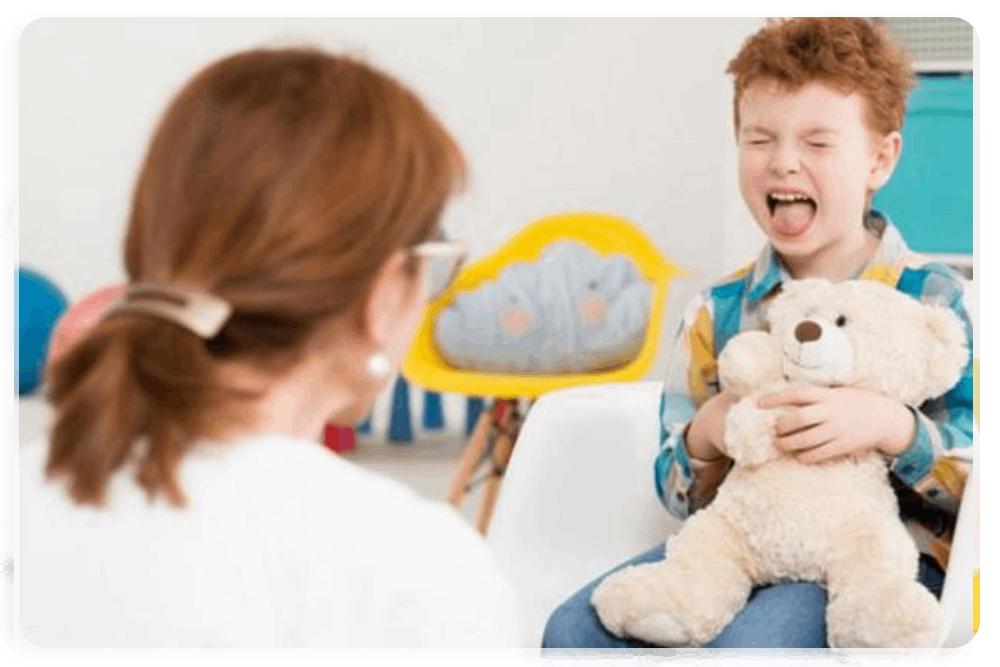
The most common developmental therapy for people with ASD is Speech and Language Therapy. Speech and Language Therapy helps to improve the person’s understanding and use of speech and language. Some people with ASD communicate verbally. Others may communicate through the use of signs, gestures, pictures, or an electronic communication device.
Occupational Therapy teaches skills that help the person live as independently as possible. Skills may include dressing, eating, bathing, and relating to people. Occupational therapy can also include:
Sensory Integration Therapy to help improve responses to sensory input that may be restrictive or overwhelming.
Physical Therapy can help improve physical skills, such as fine movements of the fingers or larger movements of the trunk and body.
ADHD
What is ADHD?
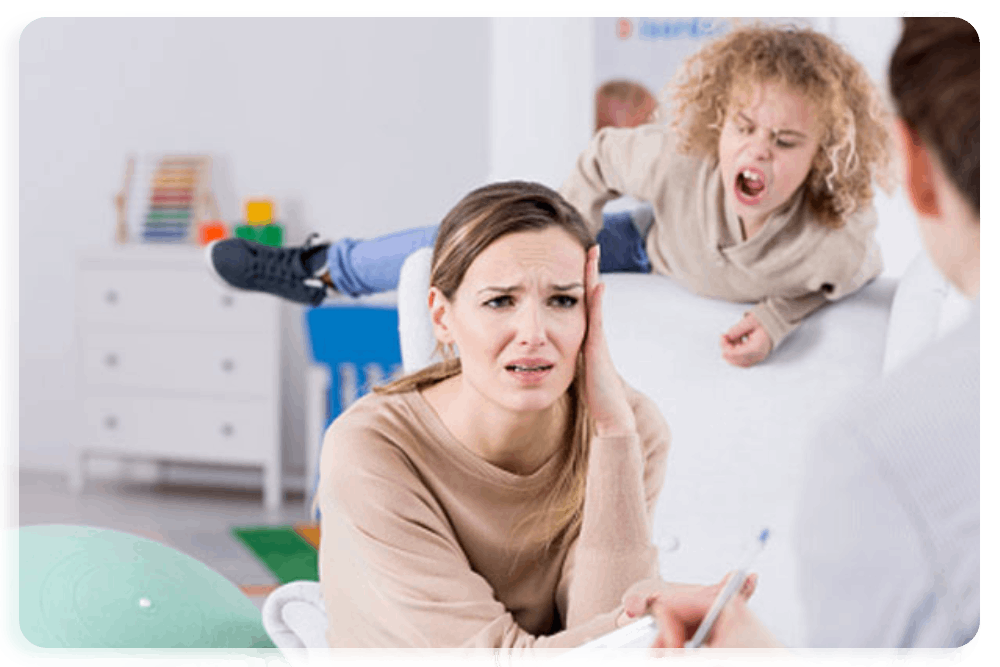
ADHD is one of the most common neuro developmental disorders of childhood. It is usually first diagnosed in childhood and often lasts into adulthood. Children with ADHD may have trouble focusing attention on single task or sitting still for long periods of time. , controlling impulsive behaviors (may act without thinking about what the result will be), or be overly active.
ADHD symptoms
A person with ADHD may experience a few, some, or all of the following challenges:
- Inattention
- Difficulty Concentrating
- Is Easily Distracted
- Struggles to stay focused on a specific task
- Appears to Not Listen when Being Spoken To
- Manages Some Tasks Better Than Others
- Experiences problems related to Planning, Executing and Finishing Some Tasks
- Has DIfficulty Learning New Skills or Concepts
- Hyperactivity
- Has Great Difficulty Staying Still
- Is Often Fidgety or Restless
- Frequently Bounces Between Activities or Tasks
- Attempts to Do Multiple Things At Once
- Impulsivity
- Difficulty with Impulse Control
- Often Acts Without Thinking
- Struggles with Impatience
- Has a Hard Time Waiting Their Turn
Does ADHD Cause Speech and language Problems?
In many cases, ADHD can affect speech and communication. People with ADHD have a higher risk of delay speech and language development, articulation disorders, problems with the fluency of speech, and the overall quality and tone of their speaking voice.One study showed that as many as ⅔ of children diagnosed with ADHD also have speech and language disorders, and other research has shown that percentage to be as high as 90%. Processing language is also different for children with ADHD and they have an increased risk of developing significant language delays. Speech therapy can be a highly valuable resource, for anyone who is struggling with communication problems related to ADHD.
ARTICULATION THERAPY
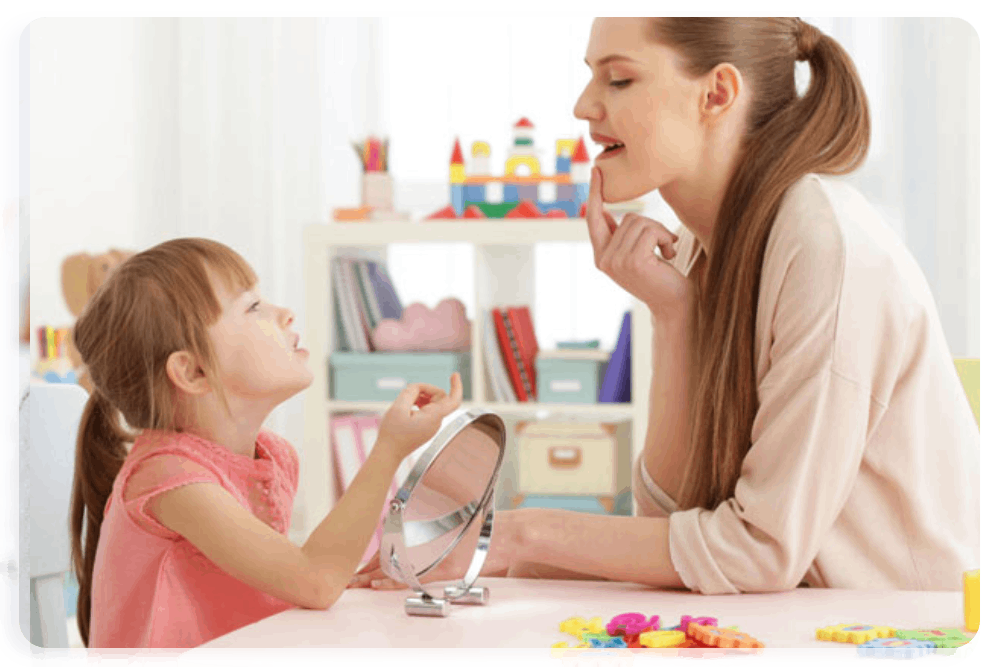
An articulation disorder is the inability to properly form certain word sounds. A child with this speech disorder may drop, swap, distort, or add word sounds. An example of distorting a word would be saying “thith” instead of “this”.
FLUENCY / STAMMERING THERAPY
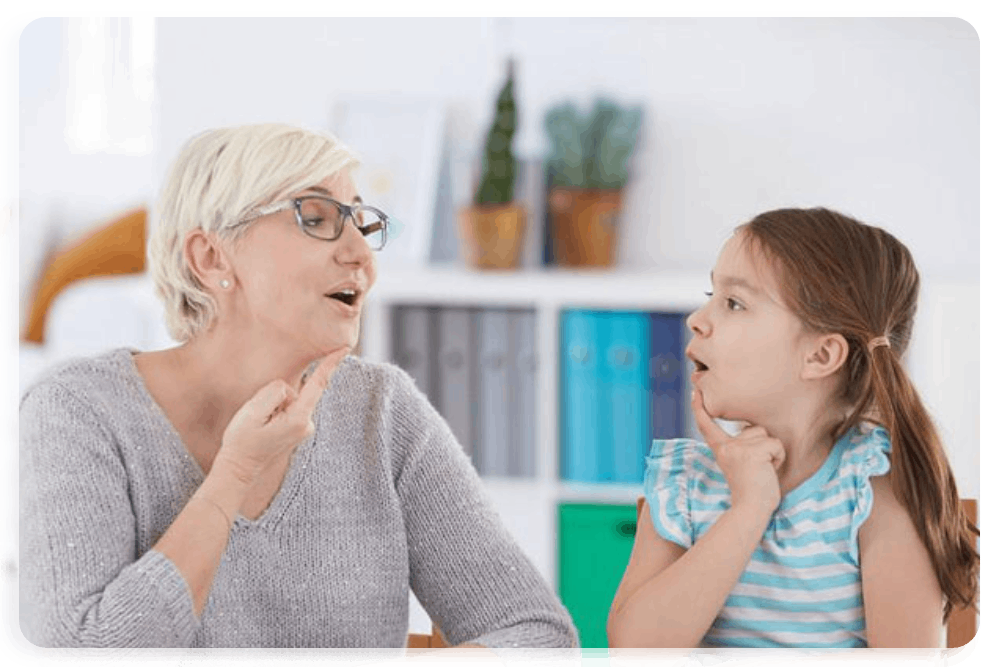
A fluency disorder affects the flow, speed, and rhythm of speech. Stuttering and cluttering are fluency disorders. A person with stuttering has trouble getting out a sound and may have speech that is blocked or interrupted, or may repeat part of all of a word. A person with cluttering often speaks very fast and merges words together.
CLEFT LIP & PALATE
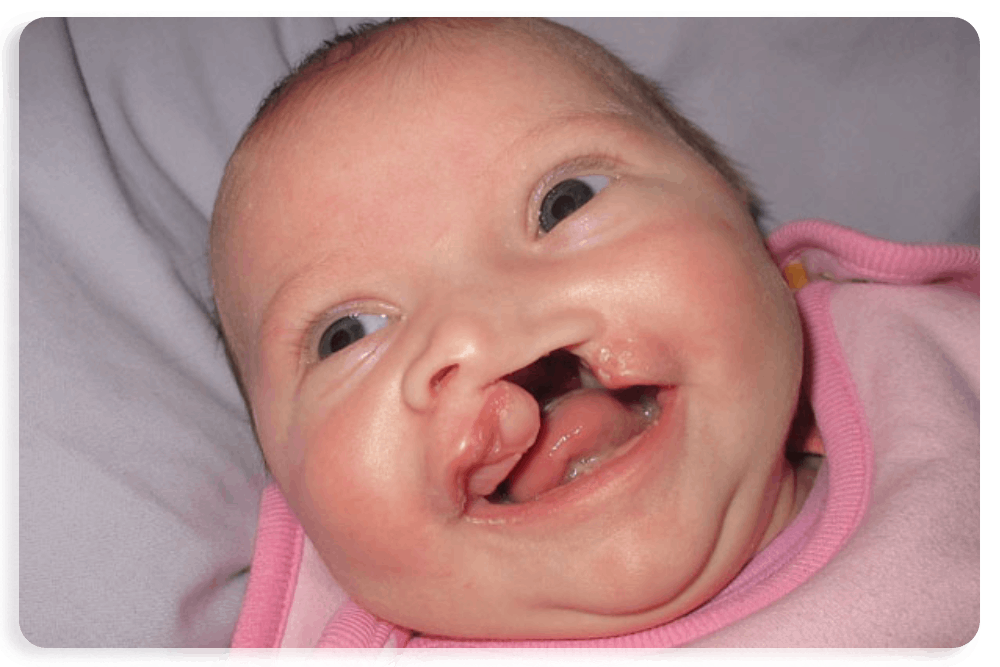
Cleft palate itself is not a disorder. As mentioned before it is simply an abnormal opening. Abnormal openings in parts of your mouth, however, can cause serious issues with someone’s ability to make speech sounds. As far as clear speech production goes, the biggest issue that Speech-Language Pathologists work with is hyper nasality caused by velopharyngeal inadequacy.
This is when the most rear part of the soft palate (called the velum) will not reach far enough back in the throat to stop air from going through the nose (nasal cavity).
VOICE
We may sound hoarse, breathy, lose our voices easily, talk too loudly or through our noses, or be unable to make sounds. If the child has a voice disorder due to a medical condition which affects the pitch, loudness and quality of voice.
Children also often have a hoarse voice due to misuse of their voice when they engage in vocal abusive behaviours like shouting, talking loudly, throat clearing, excessive coughing, crying etc. we identify and eliminate vocal abusive behaviours and improve vocal health by teaching techniques and strategies to the kid. We give voice exercises to Strengthen the voice.
CEREBRAL PALSY (CP)
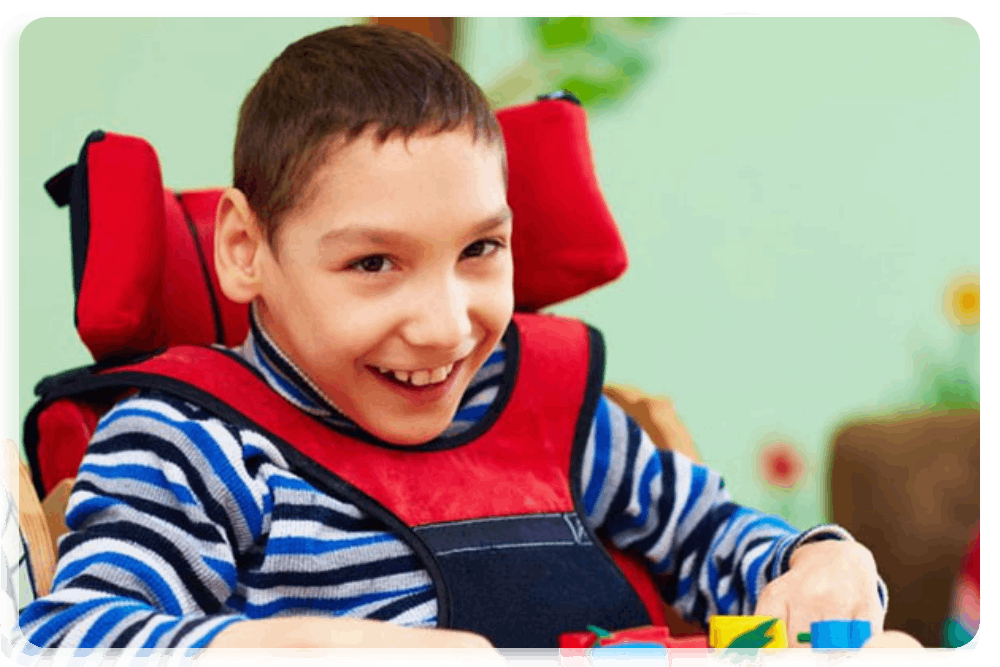
Cerebral means having to do with the brain. Palsy means weakness or problems with using the muscles. Cerebral palsy (CP) is a group of disorders that affect a person’s ability to move and maintain balance and posture. CP is caused by abnormal brain development or damage to the developing brain that affects a person’s ability to control his or her muscles.
- Types of Cerebral Palsy
- Spastic Cerebral Palsy
- Dyskinetic Cerebral Palsy
- Ataxic Cerebral Palsy
- Mixed Cerebral Palsy